Downsides of smart bathroom fixtures

Smart homes are quietly becoming a new standard, and it's understandable why. The convenience and seamless experience of touchless faucets or automatic lights bring another level to the definition of comfort. However, there are some features - and even downsides - that you need to know before buying. Let's discuss some of them.
Electronics in a bathroom sound like a strange combination, but today they are not that rare. Electronic bidets, smart faucets, LED mirrors, and other devices now conveniently sit in our bathrooms. Of course, all the electronic parts are hidden inside the fixture, so there's no worry about short-circuiting it with water, but that’s where the peculiarity of electronic bathroom fixtures starts.
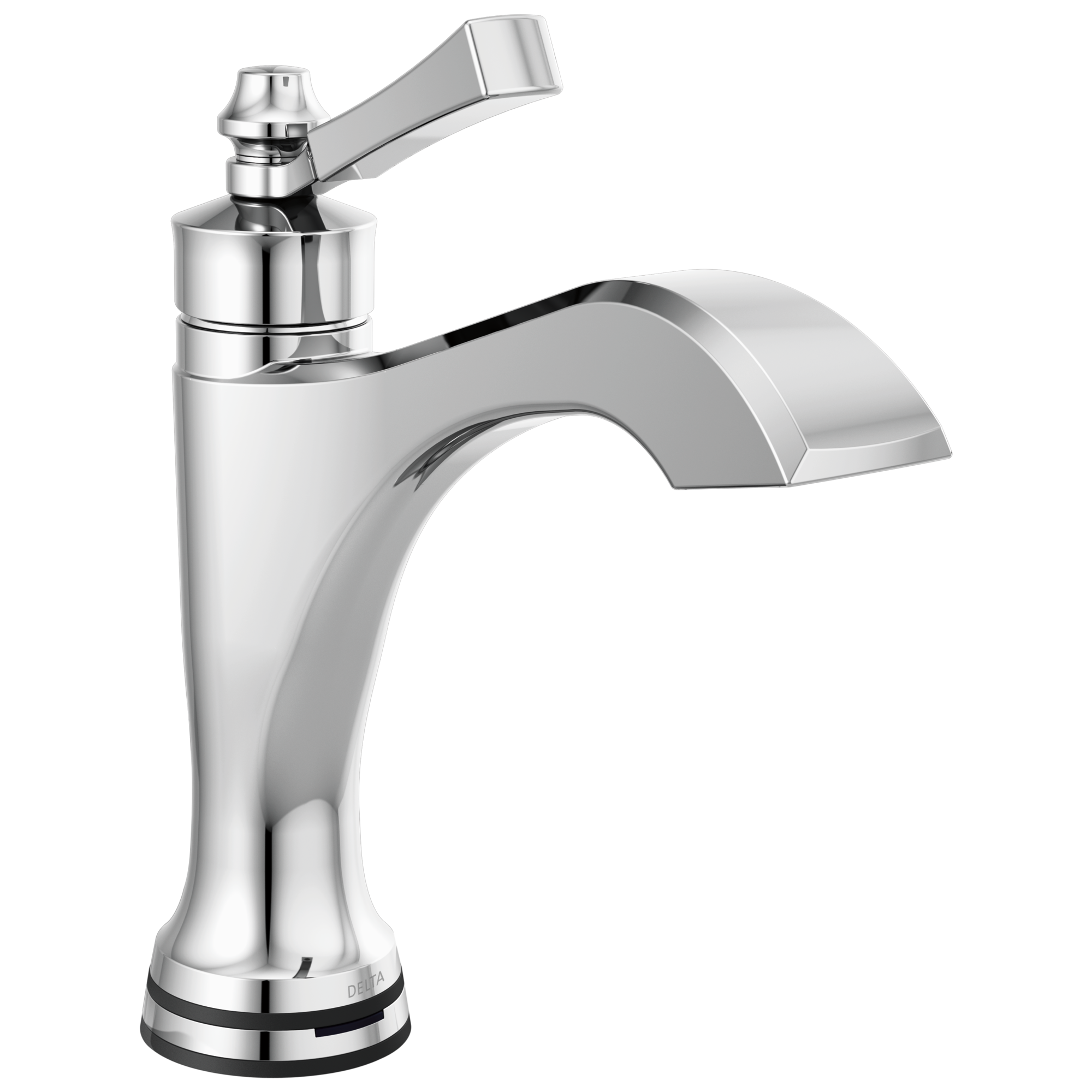
Delta Dorval - Touch2O® Bathroom Faucet With Touchless Technology
The lifespan of electric elements is usually shorter (around 5-10 years) compared to the fixture itself. That can leave you with a partially functional or broken faucet, unless you have a trusted supplier of replacement parts or the product has a good warranty that provides quick and free repairs.
The whole electronic setup can be harder to install and fix, resulting in a possibly higher cost for these services. Also, be cautious if you have hard water, as limescale buildup can damage your faucet faster.
Another factor is electricity usage. Smart fixtures will consume more power and have limited functionality during a blackout, resulting in higher electricity bills and potential inconvenience. And of course, the constant need for Wi-Fi and the data collection by Internet of Things fixtures can be a privacy concern that some users may not be comfortable with.

Kodaen Embrace Led Mirror With Built-In Bluetooth Speaker
The design and interface of smart fixtures can also be difficult to understand for some users or guests, and the need to check for updates can add to the inconvenience.
If these reasons make you hesitant about buying a smart fixture, don't drop the idea right away. The manufacturers constantly work on new solutions, and maybe the ideal bidet or smart faucet can drastically upgrade your life without taking away the simplicity.